What GSM actually measures
GSM — grams per square metre — measures the weight of a standard sheet, which correlates with thickness and stiffness. It does not measure quality on its own: a 350 GSM recycled board can feel worse than a 300 GSM smooth coated card. GSM tells you how heavy the card is; the paper type tells you how it feels and how it prints.
The direct comparison
| 300 GSM | 350 GSM | |
|---|---|---|
| Thickness feel | Firm, professional | Noticeably heavier, premium |
| Show-through | Slight on dark double-sided designs | None |
| Stiffness | Holds shape well | Resists bending in a wallet |
| Best finish match | Matte and gloss lamination | Matte, spot UV, foil |
| Cost | Lower | Roughly 15–40% more per card |
| Best for | Everyday business cards | Premium brands, dark designs, clinics |
When to choose 300 GSM
- You print cards in quantity and want the lower per-piece price.
- Your design is light — white background with a logo and text.
- Cards are handed out in large numbers and will be replaced often.
- You are ordering 1,000+ and the difference matters.
When to choose 350 GSM
- Full dark or full-bleed backgrounds on both sides — no show-through.
- The card represents a premium service: clinics, law, agencies, jewellery, real estate.
- You are adding lamination, spot UV or foil, and want the added thickness to feel right.
- You want the card to survive weeks in a wallet without soft corners.
What about 250 and 400 GSM?
250 GSM is thin — acceptable for temporary cards, event passes and tight budgets, but it flexes easily and can look cheap. 400 GSM and above is closer to a small board; it makes a strong impression and works beautifully with foil, but it does not fit every card holder and it costs noticeably more. For most businesses the sensible range is 300–350 GSM.
Test it before you commit
If you are ordering more than 500 cards, ask for a sample of both weights first — or order a small batch of 100 at your chosen weight, check the stiffness and colour in your own hand, then place the bulk order. Two minutes of checking beats 1,000 cards you are unhappy with. Order from visiting cards and see the price at each quantity before paying.
Frequently asked questions
Which GSM is best for a visiting card?
300 GSM for everyday use and better value; 350 GSM when you want a heavier feel, a dark double-sided design or premium finishing. Both are professional choices.
Is 350 GSM too thick for a card holder?
No — standard holders accommodate 350 GSM comfortably. It is noticeably stiffer than 300 GSM but still fits wallets and card stands.
Does higher GSM mean better print quality?
No. GSM measures weight, not print sharpness. Resolution, colour mode and the paper surface determine print quality; GSM determines the feel and stiffness.
How much thicker is 350 GSM than 300 GSM?
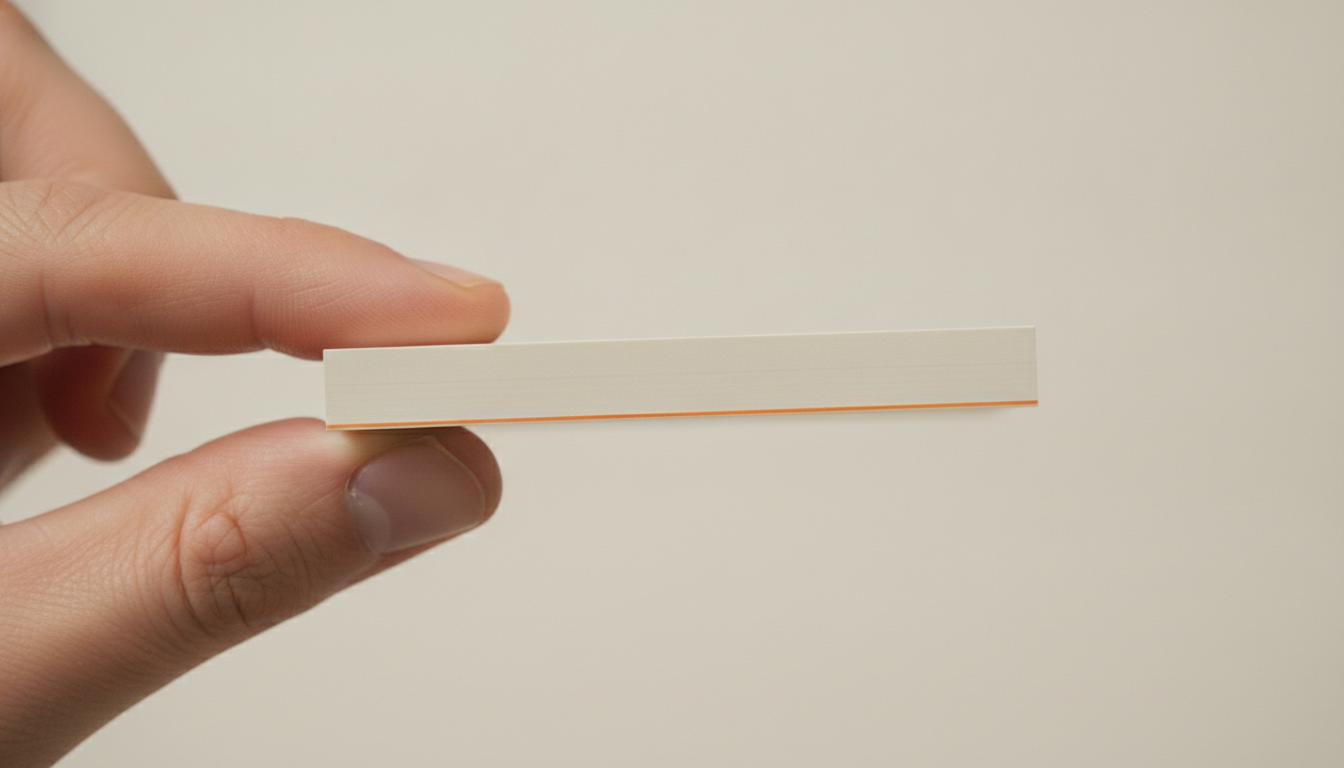
Roughly 15–20% thicker in practice. The difference is subtle on paper but clear in the hand when you fan two cards together — the 350 GSM card resists bending noticeably more.
Should I laminate my cards?
Lamination protects against scuffs and moisture and adds stiffness. Matte lamination suits professional designs; gloss makes colours pop but adds glare. Laminated 300 GSM often feels similar to unlaminated 350 GSM.